
 Türkçe
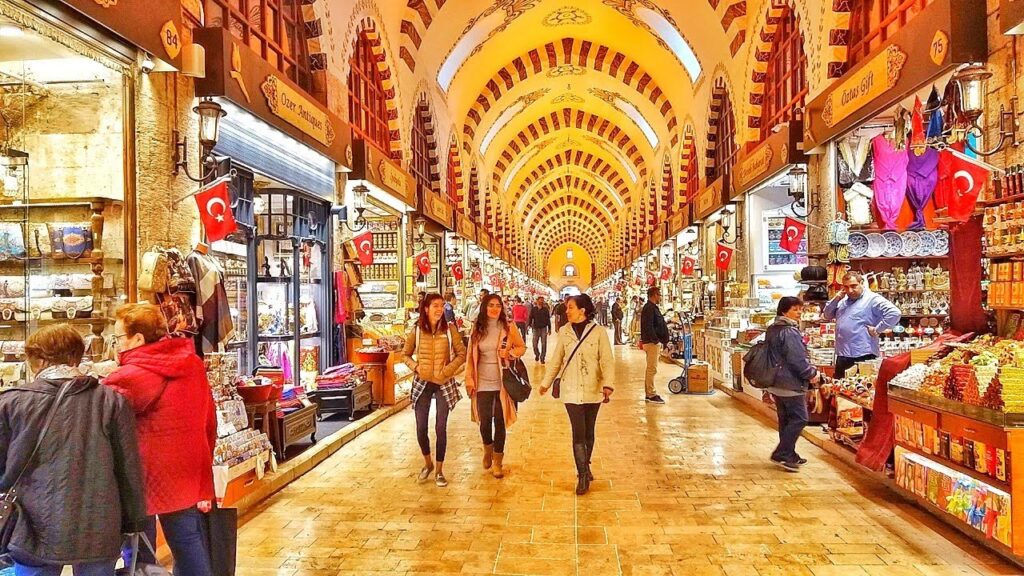
Spice Bazaar Istanbul travel guide • Mısır Çarşısı shopping tips • Best things to do in Istanbul Historic Peninsula
Introduction
If there’s one place in Istanbul guaranteed to delight your senses, it’s the Spice Bazaar (Mısır Çarşısı). Step inside and you’ll be greeted by a kaleidoscope of colors, the sweet and spicy perfume of exotic herbs, the chatter of vendors calling out prices in multiple languages, and the dazzling sight of pyramids of sweets and nuts.
This isn’t just a market. It’s a centuries-old trading hub that still feels wonderfully alive. Let’s dive into its history, what to buy, and how to make the most of your visit.
🌟 A Historic Marketplace with Global Roots
Built in the 1660s as part of the grand Yeni Camii (New Mosque) complex, the Spice Bazaar got its name from the goods once shipped here from Egypt (then an Ottoman province).
Back then, Istanbul was the nerve center of East–West trade. Spices, teas, dried fruits, textiles, and medicinal herbs arrived from India, Persia, Arabia, and North Africa—many passing through Egypt first. The market was actually funded by taxes from these Egyptian provinces, hence its Turkish name: Mısır Çarşısı (“Egyptian Market”).
For Ottoman Istanbul, the bazaar wasn’t just for food—it was essential. Spices weren’t only about taste but also medicine, preservation, and even status.
Even today, despite modern grocery stores, Istanbulites still flock here for quality ingredients and tradition.
🏛️ An Architectural Gem
The bazaar itself is stunning. Shaped like an L, it has two main corridors lined with around 85 shops beneath high vaulted ceilings decorated with Ottoman-era motifs.
Natural light filters through small windows, bouncing off polished brass scoops and vibrant displays of goods. The long, slightly dim corridors preserve a sense of mystery and history—you’re walking in the footsteps of traders, chefs, and herbalists from centuries ago.
Don’t miss:
-
The ornate entrances: Especially the main gate facing Eminönü Square.
-
Yeni Camii next door: An architectural jewel that’s part of the same complex.
-
The side streets: Spilling over with stalls selling kitchenware, baskets, and even pets!
🍯 What to Buy (and Taste!)
This isn’t your average market. Even locals come here for the best quality. Here’s what to look for:
-
Spices: Saffron, sumac, pul biber (Turkish chili flakes), cumin, cinnamon sticks. Vendors often let you smell or sample.
-
Teas: Apple tea, rose tea, herbal blends—often presented in big colorful bins.
-
Turkish Delight (Lokum): From classic rose to pistachio-studded varieties. Many shops offer free samples.
-
Dried Fruits & Nuts: Apricots, figs, almonds, walnuts. Often cheaper (and better quality) than supermarkets.
-
Honey and Jams: Including specialty varieties like pine honey.
-
Herbal Remedies: From digestion aids to natural beauty products.
-
Sweets: Baklava, helva, and other Turkish pastries.
Part of the fun is chatting with vendors. Don’t be shy—they’re used to questions and often love explaining their products.
🧭 Beyond the Main Hall
While the central Spice Bazaar is the star, the surrounding area is equally rewarding. Wander the labyrinth of narrow streets around Eminönü and you’ll find:
-
Rustem Pasha Mosque: A hidden gem famous for its blue İznik tiles.
-
Mahmutpaşa Bazaar: For textiles, scarves, and cheap clothes.
-
Tahtakale: Istanbul’s old-school hardware and household goods market.
It’s all part of the same trading culture that made this city the “marketplace of the world.”
📸 Insider Travel Tips
✔️ Best time to visit: Morning for fewer crowds; late afternoon for a lively local vibe.
✔️ Haggling: Expected! Prices are rarely fixed—start low and smile.
✔️ Samples: Most vendors happily offer tastes of lokum or nuts.
✔️ Payment: Many shops take credit cards, but cash can help you negotiate better deals.
✔️ Accessibility: Generally flat but crowded; watch your step on polished floors.
✔️ Combine with: A visit to Yeni Camii next door or a ferry ride from Eminönü Pier.
❤️ Why You’ll Love It
The Spice Bazaar isn’t just a place to buy things—it’s a theater of life. You’ll hear a dozen languages in the span of a few steps, see deals struck with a handshake, and smell fragrances that have traveled continents.
It’s the Istanbul of traders and travelers, a reminder that this city has always been a meeting point between worlds. Even if you don’t buy a thing, you’ll walk away with memories that are priceless.