
 Türkçe
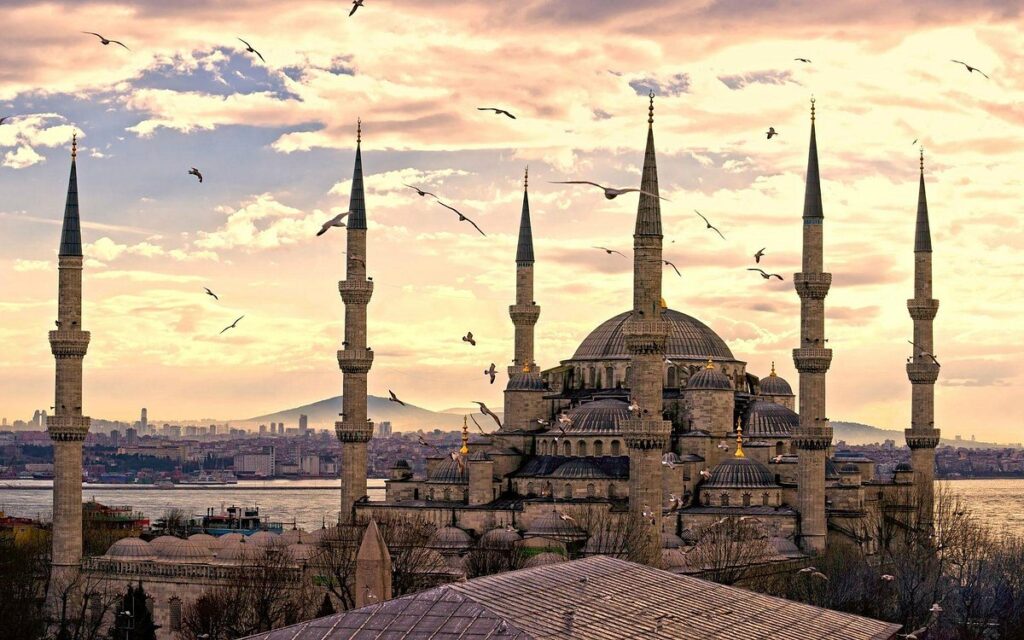
Beyazıt Square Istanbul travel guide • Beyazıt Mosque highlights • Things to do in Istanbul Historic Peninsula
Introduction
Step away from the packed lanes of the Grand Bazaar, and you’ll find yourself in one of Istanbul’s most historic yet often overlooked public spaces: Beyazıt Square.
At its center stands the grand Beyazıt Mosque, a classic example of early Ottoman architecture that has watched the city change for over 500 years. This square has been a stage for imperial ceremonies, scholarly pursuits, political protests, and the simple daily life of Istanbulites for centuries. Let’s explore why it’s worth a stop on your Historic Peninsula adventure.
🌟 A Square Steeped in History
Beyazıt Square has been a public space since Byzantine times. Back then it was part of the Forum of Theodosius, a bustling civic center in Constantinople.
After the Ottoman conquest in 1453, the square was reimagined as an imperial space, anchored by the mosque built by Sultan Bayezid II. Over time, it evolved into one of the most important squares of Ottoman and modern Istanbul alike.
It has seen:
-
Ceremonial processions of sultans.
-
Scholars debating in madrasa courtyards.
-
The ebb and flow of trade from the Grand Bazaar.
-
Political rallies and protests in the modern era.
In many ways, it’s a microcosm of Istanbul itself—layered, lively, and always evolving.
🕌 Beyazıt Mosque: Early Ottoman Elegance
Commissioned by Sultan Bayezid II, son of Mehmed the Conqueror, construction of the mosque began in 1501 and finished in 1506.
It’s one of the earliest examples of a large imperial Ottoman mosque in Istanbul and offers a fascinating bridge between the simpler early Ottoman style and the grander, Sinan-influenced designs that came later.
Architectural highlights include:
-
Central Dome: Supported by semi-domes in a design inspired by Hagia Sophia.
-
Elegant Courtyard: Framed by arcaded porticoes and a graceful şadırvan (ablution fountain) at its center.
-
Classic Minarets: Slim, tall, and beautifully ornamented.
-
Interior: Simpler than later Ottoman mosques but no less dignified, with restrained tilework and calligraphy.
Unlike the tourist-packed Blue Mosque, Beyazıt Mosque often feels quieter and more intimate—a perfect place to pause and reflect.
🏛️ The Surrounding Complex
As with many Ottoman mosques, Beyazıt wasn’t just for prayer. It was the heart of a külliye—a multi-functional social complex designed to serve the community.
Historically, the complex included:
-
Madrasas (Islamic schools): Nurturing generations of scholars.
-
Imaret (Soup kitchen): Feeding the poor and travelers.
-
Caravanserais and Shops: Generating income for the mosque’s upkeep.
Much of this fabric is still visible in the area, particularly in the tightly woven streets around the Grand Bazaar and Sahaflar Çarşısı (Secondhand Book Bazaar).
📚 Istanbul University: The Square’s Grand Gate
Perhaps the most striking feature of Beyazıt Square today is the monumental entrance gate of Istanbul University, located on the north side of the plaza.
This grand 19th-century structure with its Ottoman neo-classical design is instantly recognizable. The university itself has a deep history—its origins go back to the Ottoman medrese system and it’s considered the oldest higher education institution in Turkey.
Watching students come and go here is a reminder that Beyazıt has always been a center of learning and debate.
🧭 Vibrant Daily Life
Beyazıt Square isn’t a museum—it’s a living city space. You’ll see:
-
Students rushing to lectures.
-
Elderly men feeding pigeons.
-
Vendors selling simit (sesame bread rings) or roasted chestnuts.
-
Travelers pausing before plunging into the maze of the Grand Bazaar.
It’s the kind of place where you can just sit on a bench, people-watch, and let the atmosphere soak in.
📸 Insider Travel Tips
✔️ Best time to visit: Mornings or late afternoons for softer light and fewer crowds.
✔️ Combine with: Grand Bazaar (just steps away!), Sahaflar Çarşısı for old books.
✔️ Accessibility: Mostly flat, but watch for uneven cobbles.
✔️ Photography: Don’t miss shots of the mosque courtyard and the grand university gate.
✔️ Quiet time: The mosque is less crowded than other major sites—ideal for contemplation.
❤️ Why You’ll Love It
Beyazıt Square and its mosque aren’t as showy as Sultanahmet or Süleymaniye—but that’s exactly their charm. This is Istanbul in its everyday clothes: layered with history but full of life.
You’re standing where Byzantine emperors paraded, Ottoman sultans prayed, students argued philosophy, and modern Istanbulites still gather. It’s a place that feels real, lived-in, and wonderfully authentic.